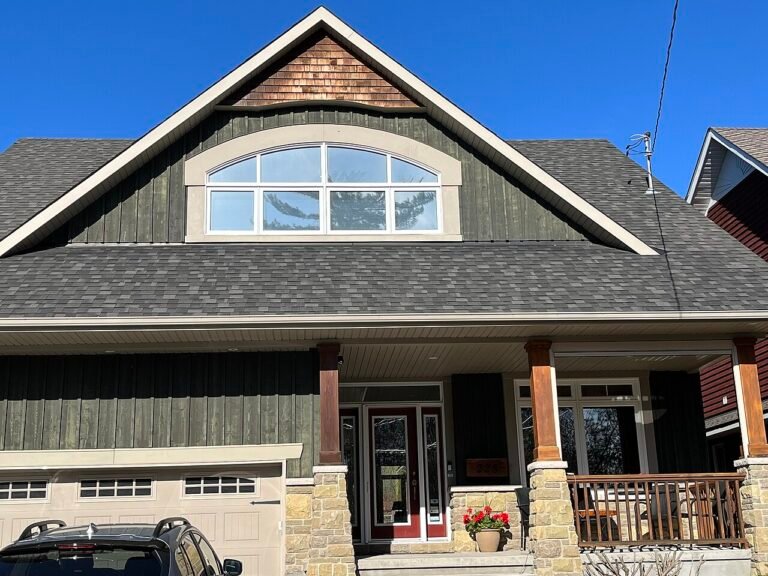
Fascia Board: What It Is, Signs of Rot, Replacement
A fascia board is the long vertical board that runs along the edge of your roof and caps the ends of the rafters. Most homeowners only notice it when paint peels or a gutter starts to pull away. That is the moment to look closer. A failing fascia board points to water getting into the roof edge, and the damage rarely stops at the board itself.
A fascia board is the vertical board fixed to the rafter ends along the roof edge. It carries the gutter and closes the eave against rain and animals. The soffit is the horizontal panel underneath that often vents the attic. Replace fascia when rot goes deep or the gutter pulls loose.
What Is a Fascia Board and What Does It Do?
A fascia board is the trim face fastened to the ends of the roof rafters, right under the roof edge. On most houses the gutter hangs directly on it. The board holds the weight of the gutter and every gallon of water running through it.
It also seals the open rafter ends. Without fascia, wind drives rain into the roof structure, and birds, squirrels, and insects find an easy path into the eaves. The board gives the roofline a straight, finished edge and backs the drip edge flashing that steers water into the gutter. On a gable end, the sloped board that follows the roof is called a rake board or bargeboard. Names vary by region, so confirm with your contractor which board they mean.
Fascia vs. Soffit: How They Work Together
Fascia is the vertical face at the roof edge. Soffit is the horizontal panel that covers the underside of the overhang, between the fascia and the house wall. The two meet at a corner and age together.
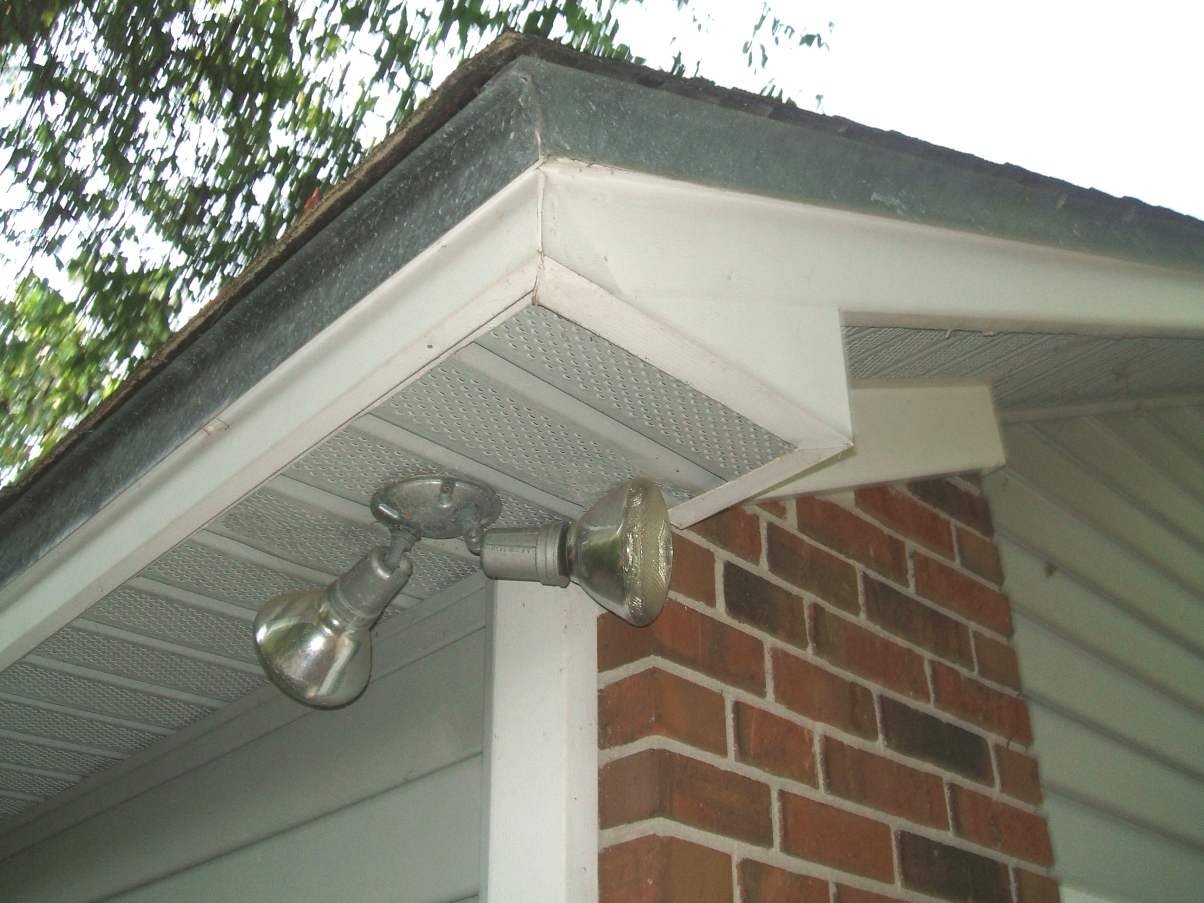
Soffit panels are often vented so outside air can flow into the attic. Fascia does not vent. Its job is to carry the gutter and close the rafter ends. In wildfire country, those soffit vents matter for another reason, and IBHS research on ember entry through vents explains why vent design counts. A water stain on the soffit points upward. The leak usually starts at the fascia, the gutter, or the roof edge above it.
Fascia Board Materials Compared
Wood is the classic fascia board. It is cheap, easy to cut on site, and takes any paint color. It also rots once water gets past the paint, so it needs fresh caulk and paint on a regular cycle.
PVC and aluminum do not rot. Both clean up with a hose and need no paint. Aluminum is mostly installed as a bent cover wrapped over an existing wood board. Check the wood before it gets wrapped, because trapped moisture keeps rotting the board out of sight. Fiber cement holds its shape and resists rot and insects. It is heavy and needs special blades to cut, so installation takes more labor.
| Material | Rot resistance | Upkeep | Install notes |
|---|---|---|---|
| Wood | Rots when water gets in | Paint and caulk on a cycle | Easy to cut, low material cost |
| PVC | Does not rot | Wash only | Moves with heat, needs correct fastener spacing |
| Aluminum | Does not rot | Wash only | Wraps over wood, the board underneath must be sound |
| Fiber cement | Resists rot and insects | Repaint over time | Heavy, cutting takes special blades |
Signs Your Fascia Board Is Failing
Soft spots are the clearest warning. Press a screwdriver into the board from a stable ladder. If the tip sinks in easily, the wood is rotting.
Peeling or blistered paint, open cracks, and gaps at the joints let more water in. A gutter that sags or tilts away from the house means the fasteners have lost their grip in soft wood. Look below the roof edge too. Water stains on the soffit or streaks down the siding show where water escapes. Mold, carpenter ants, wasp nests, or chewed holes at the eave mean the board no longer seals the rafter ends. Rot spreads, so a bad fascia board can hide damaged rafter tails and roof sheathing behind it.
Fascia Board Repair, Replacement, and Hiring a Pro
Repair or Replace Small problems call for repair. Dig out a shallow soft spot down to sound wood and fill it with exterior epoxy wood filler, seal open joints, and repaint bare wood. Once rot runs through the board or along several feet, replacement is the right call. The gutter comes off first, the old board comes down, and the rafter tails get inspected before new fascia goes up.
Roof edge work means ladders and fall exposure. OSHA residential fall protection guidance explains the fall protection rules that apply to contractors working on residential roofs. Leave tall or steep eaves to a crew with the right equipment.
Solid Roof Craft Tip: Ask the crew to photograph the rafter tails once the old board is off. Those photos tell you whether the quote covers the real damage. When the gutter goes back up, aim the downspouts away from the house toward a lawn or garden bed where the water can soak in, as the EPA guide to redirecting downspouts shows.
Cost Factors and Comparing Quotes Fascia replacement cost depends on five things: the material, the total length, how hard the roof edge is to reach, the condition of the rafters behind it, and whether the gutters come down and go back up. Prices vary widely by region, so compare quotes line by line rather than by the total.
Get at least three written quotes. Each one should list material, length, gutter removal and reinstall, paint, and a price for any rafter repair found after tear off. Hire a contractor who carries the license your state or city requires and holds liability insurance, and ask for both in writing. In a home built before 1978, old fascia paint may contain lead, and the EPA Renovation, Repair and Painting Program requires paid contractors who disturb that paint to be lead-safe certified. Ask what the workmanship warranty covers and for how long.
Related reading: Board and Batten Siding.
Frequently Asked Questions
Can you replace fascia board without replacing the gutters?
Yes. The gutter has to come off so the crew can reach the board, but a gutter in good shape goes back up on the new fascia. Replace it only if it leaks, sags out of shape, or has rusted through.
How long does fascia board last?
Fascia life depends on the material and on how well water stays out. Wood rots sooner when paint fails or gutters overflow. PVC and aluminum do not rot, so their life depends on fastening and physical damage. Manufacturer warranties give the best guide for a specific product.
Is fascia board the same as trim board?
No. Fascia names a job at the roof edge, where the board closes the rafter ends and carries the gutter. Trim board is a general term for finish boards around windows, doors, and corners. Some trim boards get installed as fascia, but the two terms are not interchangeable.
Should wood fascia board be painted?
Yes. Prime and paint wood fascia on all sides, including the cut ends, before it goes up. Bare wood soaks up water at the roof edge and starts to rot.
Sources
- OSHA, Residential Fall Protection
- IBHS, Ember Entry Through Vents
- EPA, Soak Up the Rain, Disconnect and Redirect Downspouts
- NRCA, Roofing Materials
- EPA, Lead Renovation, Repair and Painting Program