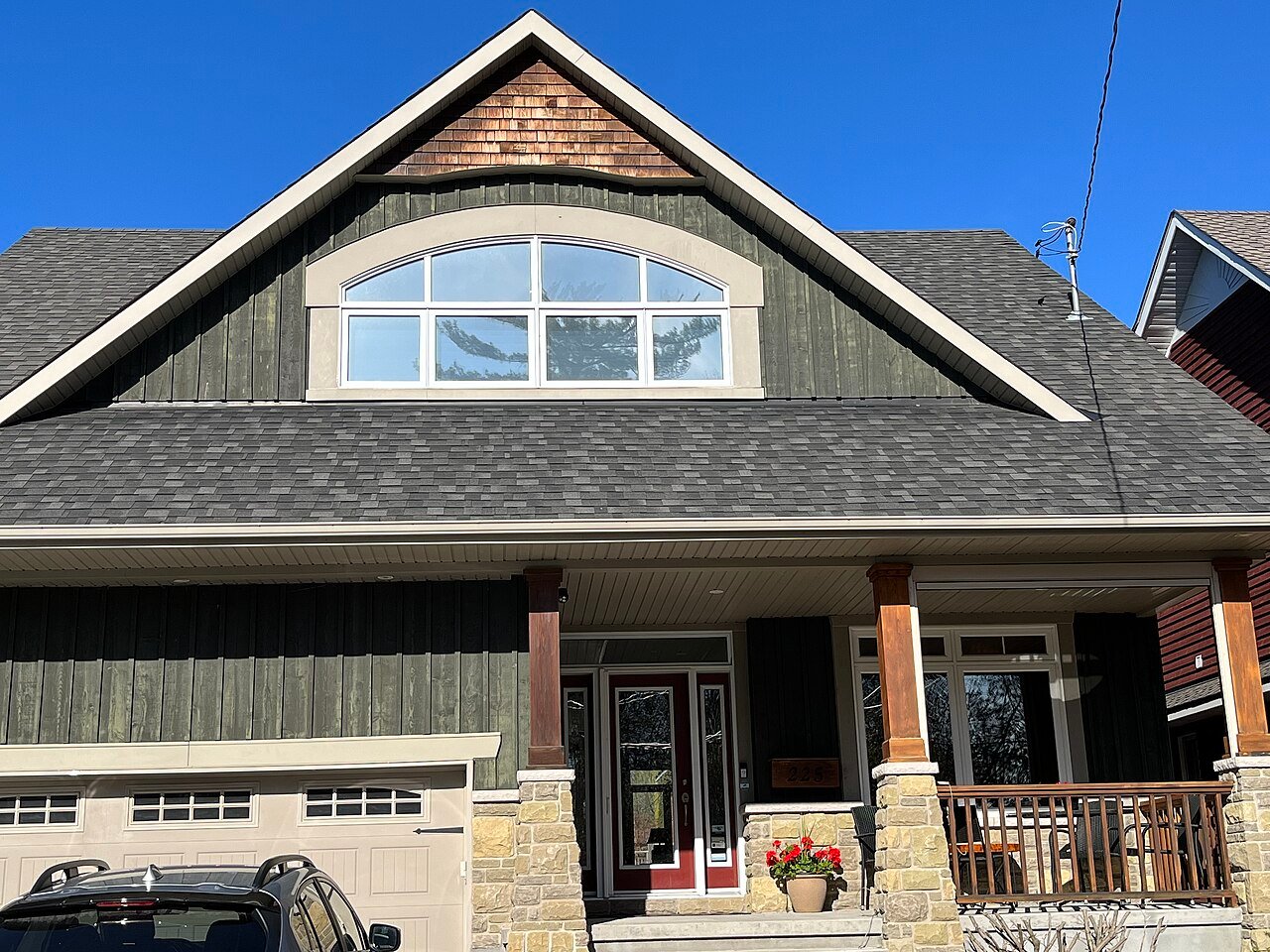
Board and Batten Siding: Materials, Cost and Downsides
Board and batten siding is vertical cladding made of wide boards with narrow strips, called battens, nailed over every joint. The battens close the seams and cast the shadow lines that give barns and farmhouses their look. Like any siding, it protects the wall assembly from rain, snow, and wind and shields the structure from UV, temperature swings, and wind-borne debris, as IBHS cladding research describes. The material you pick decides how long it lasts, how much care it needs, and what it costs.
Board and batten siding pairs wide vertical boards with narrow battens over the joints. Fiber cement gives the best balance of durability and paintability. Vinyl costs the least but looks flatter. Real wood casts the deepest shadow lines but needs the most care. Composite and metal suit low-maintenance modern builds.
Board and Batten Materials: Fiber Cement, Vinyl, Composite, Wood and Metal
Fiber cement is the safest all-round choice for board and batten. It does not rot, holds paint well, and comes as smooth or wood-grain panels with separate battens, so every joint looks crisp. It is heavy and brittle before it goes up, which adds labor.
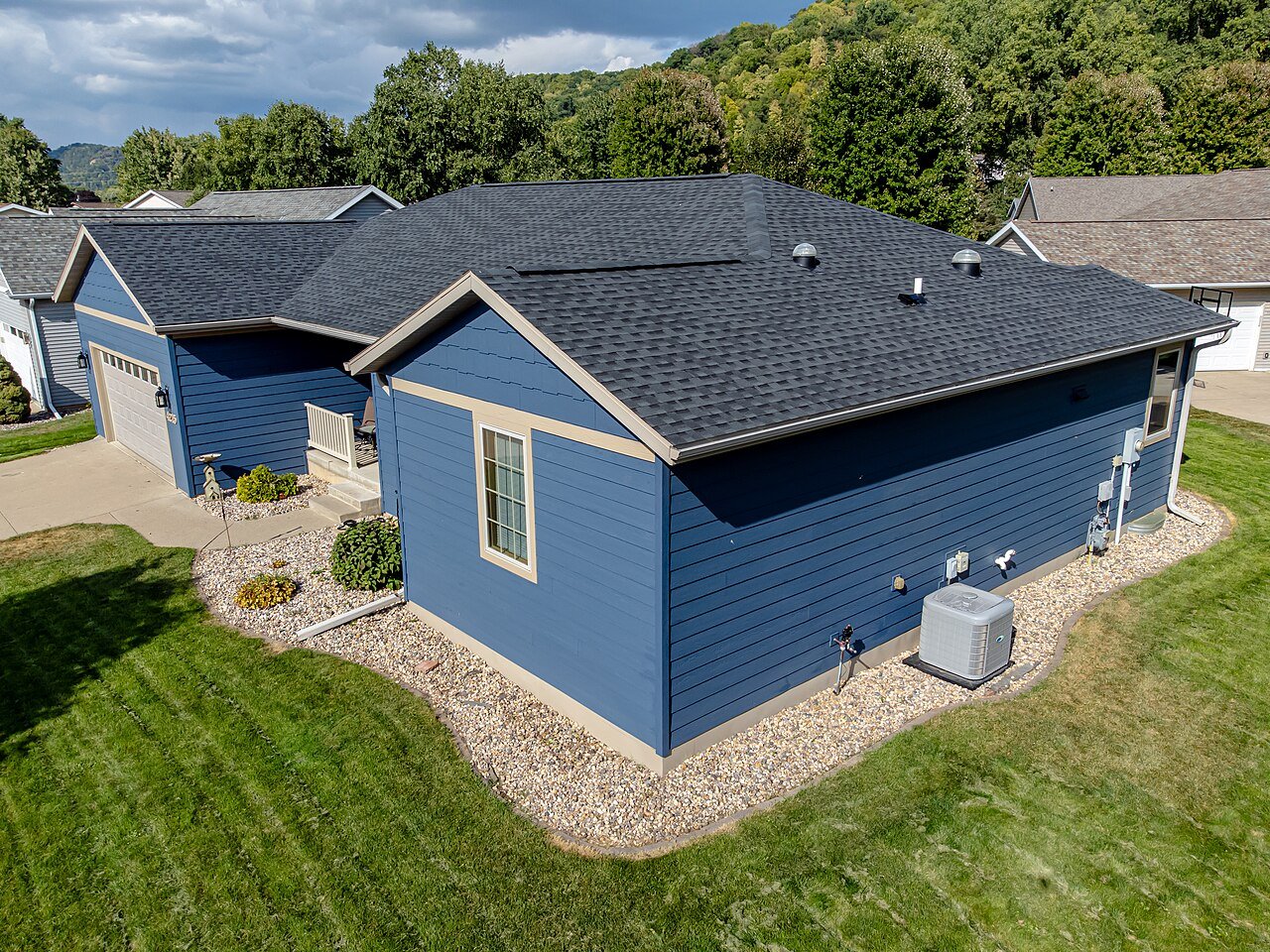
Wood is the original version. Cedar and redwood take stain or paint and give the deepest relief. They also swell and shrink with humidity, and they need sealing on a schedule. Vinyl comes molded as one panel with the batten built in. It never needs paint, but the batten sits lower than a real one, so the shadow line looks weak from the street. Engineered wood and composite panels, such as LP SmartSide, cut like lumber and arrive primed. Sealed cut ends keep them sound. Steel and aluminum panels fit modern farmhouses and outbuildings. They never rot, but dents show and scratched coatings need touch-up.
| Material | Durability | Maintenance | Look |
|---|---|---|---|
| Fiber cement | Very high, rot proof | Repaint over the years | Crisp, fully paintable |
| Wood (cedar, redwood, pine) | Moderate, depends on sealing | Seal or stain on a schedule | Deepest shadow lines |
| Vinyl | Good, can crack in hard cold | Wash only | Flatter molded battens |
| Engineered wood, composite | High with sealed edges | Seal cut ends, repaint | Wood grain, primed |
| Steel, aluminum | Very high, can dent | Touch up scratches | Clean and modern |
The boards run vertical and a batten covers each joint, so board width sets the batten spacing. Wide boards read rustic and barn-like. Narrow boards with close battens read modern. Vertical runs shed water straight down the face, but each seam still depends on the batten and a sound weather barrier behind it. Board and gap leaves the gaps open, and vertical shiplap uses rabbeted edges with no battens at all. Neither is the same system.
Some homes wear board and batten on every wall. Many keep it for gables, dormers, or a porch wall above lap siding. That accent approach costs less and still delivers the farmhouse look.
Board and Batten Siding Cost per Square Foot
Vinyl is typically the lowest-cost board and batten per square foot, and cedar typically sits at or near the top. Fiber cement, engineered wood, and steel fall between them. Prices swing by region, so ask every contractor for a quote that lists material cost and installation per square foot as separate lines. Labor weighs heavily on this profile because every batten is its own piece to cut, nail, and caulk.
Several factors push the price up. Tall walls need scaffolding. Gables, windows, and corners mean more trim cuts. Tearing off old siding, replacing rotted sheathing, and choosing prefinished color all add to the bill.
Downsides of Board and Batten Siding
The biggest downside is the number of seams. Every board joint, every batten edge, and every nail line is a spot where water can get in, so caulk and paint need regular checks. Installation also takes longer than lap siding, since boards and battens go up in two passes.
Wood rots first at the bottom edges, where end grain sits near soil, mulch, or a roof surface. Vinyl is thinner and less dimensional, so it never quite matches the depth of real battens. Moisture behind any material is the real threat. No mold grows without water, and the EPA guide to mold and moisture says to dry water-damaged areas within 24 to 48 hours. Cleaning mold without fixing the leaking seam only brings it back.
Solid Roof Craft Tip. Prime or seal every cut end before a board goes on the wall, and keep the bottom edge clear of soil, mulch, and roofing. End grain at the base is where wood and engineered boards fail first, and it is the one spot you cannot reach once the battens are nailed on.
Related reading: Fascia Board.
Frequently Asked Questions
What type of wood is best for board and batten siding?
Cedar and redwood are the best woods for board and batten because their heartwood resists rot naturally. Pine costs less, but it needs a full seal on faces, edges, and cut ends, and it needs resealing over its life. Pick rough-sawn cedar for stain and smooth boards for paint.
Can board and batten siding be painted?
Yes. Wood and fiber cement take paint well and also come primed or prefinished. Vinyl accepts paint, but dark colors absorb heat and can warp the panels, and manufacturers limit approved colors to protect the warranty. In a house built before 1978, test old paint for lead first. About three-quarters of those homes still contain some lead-based paint, and dry sanding spreads dangerous dust.
Is board and batten outdated in 2026?
No. Board and batten remains a standard look for farmhouse and modern farmhouse homes. The current direction favors narrower battens, closer spacing, and darker colors such as black, charcoal, and deep green, often paired with lap siding or stone.
Sources
- IBHS, Pilot Study of Hail Impact Testing of Building Cladding
- U.S. EPA, A Brief Guide to Mold, Moisture and Your Home
- U.S. EPA, Lead Renovation, Repair and Painting Program

One Comment
Comments are closed.