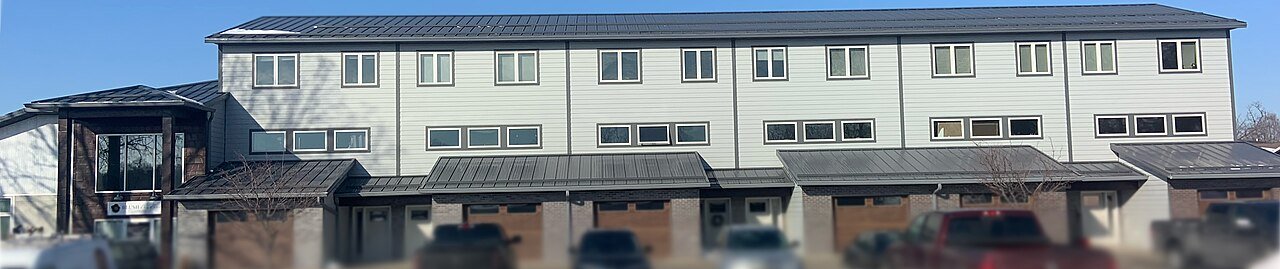
Standing Seam Metal Roof: Types, Cost, Lifespan, Pros
A standing seam metal roof is the panel system you see on modern farmhouses and mountain homes, with long vertical ribs running from ridge to eave. Residential metal roofing is one of the fastest-growing segments of home improvement, per the National Roofing Contractors Association, and standing seam is its premium tier. The buying decision comes down to price, roof slope, climate, and how long you plan to own the house.
A standing seam metal roof uses vertical metal panels joined at raised seams and held by hidden clips, so no screw heads face the weather. It costs more than asphalt shingles or screw-down metal up front, but it lasts longer than shingles and needs no screw upkeep. It suits long ownership, low slopes with mechanically seamed panels, and hot climates with a reflective finish.
What Is a Standing Seam Metal Roof?
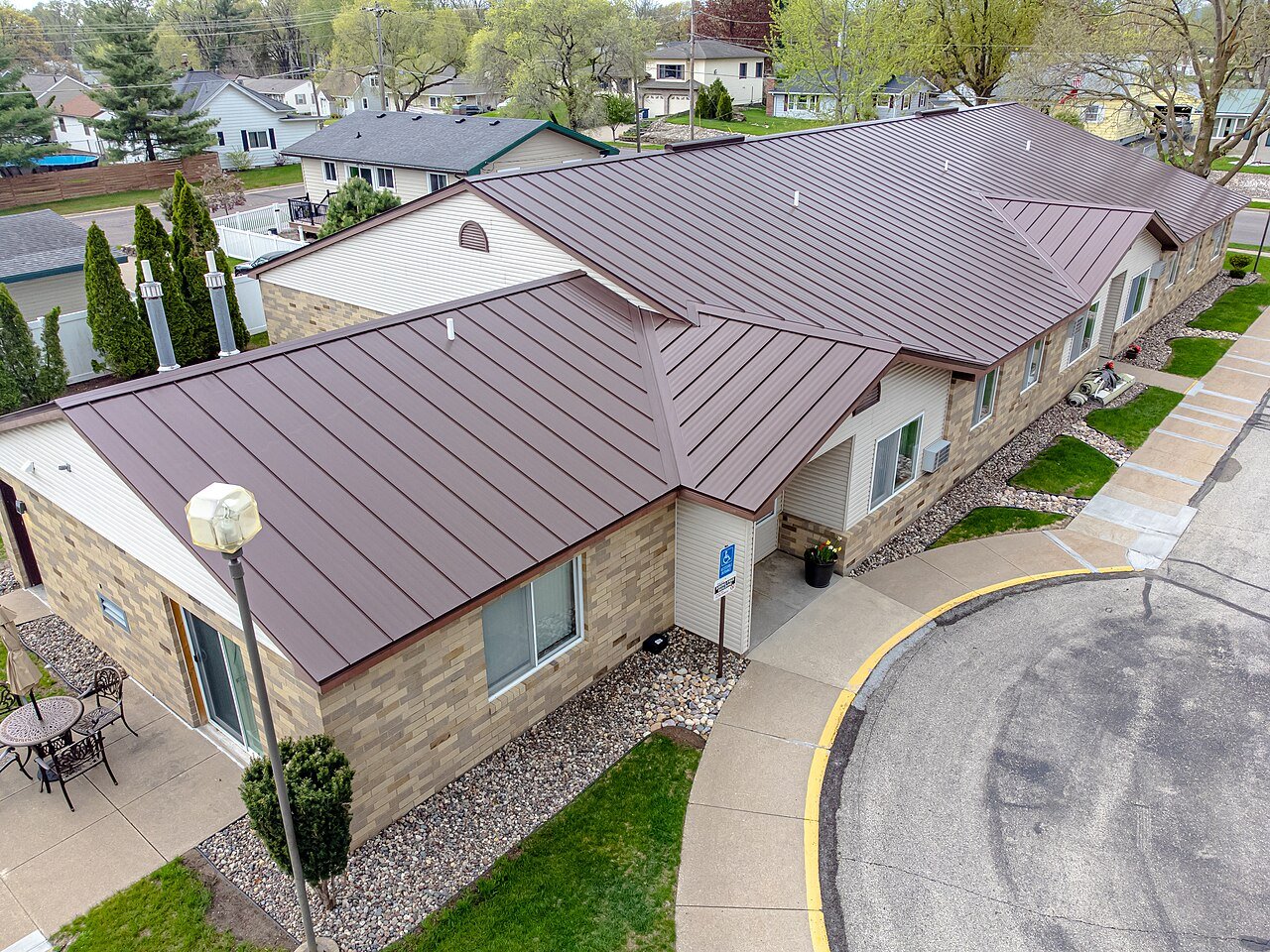
A standing seam metal roof is a system of long metal panels that run vertically from ridge to eave and lock together at raised seams. The seam stands above the flat part of the panel, called the pan or flat, so water runs down the pans and stays away from the joint. Hidden clips screwed to the deck hold each panel at the seam, and the next panel covers the clip. No fastener pierces the weather surface.
NRCA splits metal roofing products into panels and shingles, and standing seam belongs to the panel family. Panels are roll formed to length, so most runs have no horizontal joints. Screw-down metal, also called exposed-fastener metal, is a different product. Its ribbed panels are screwed straight through the face, and every screw relies on a rubber washer to stay sealed.
Types and Panel Connections
Standing seam panels differ in how the seams join, and that joint decides the price, the wind resistance, and the lowest slope the roof can handle.
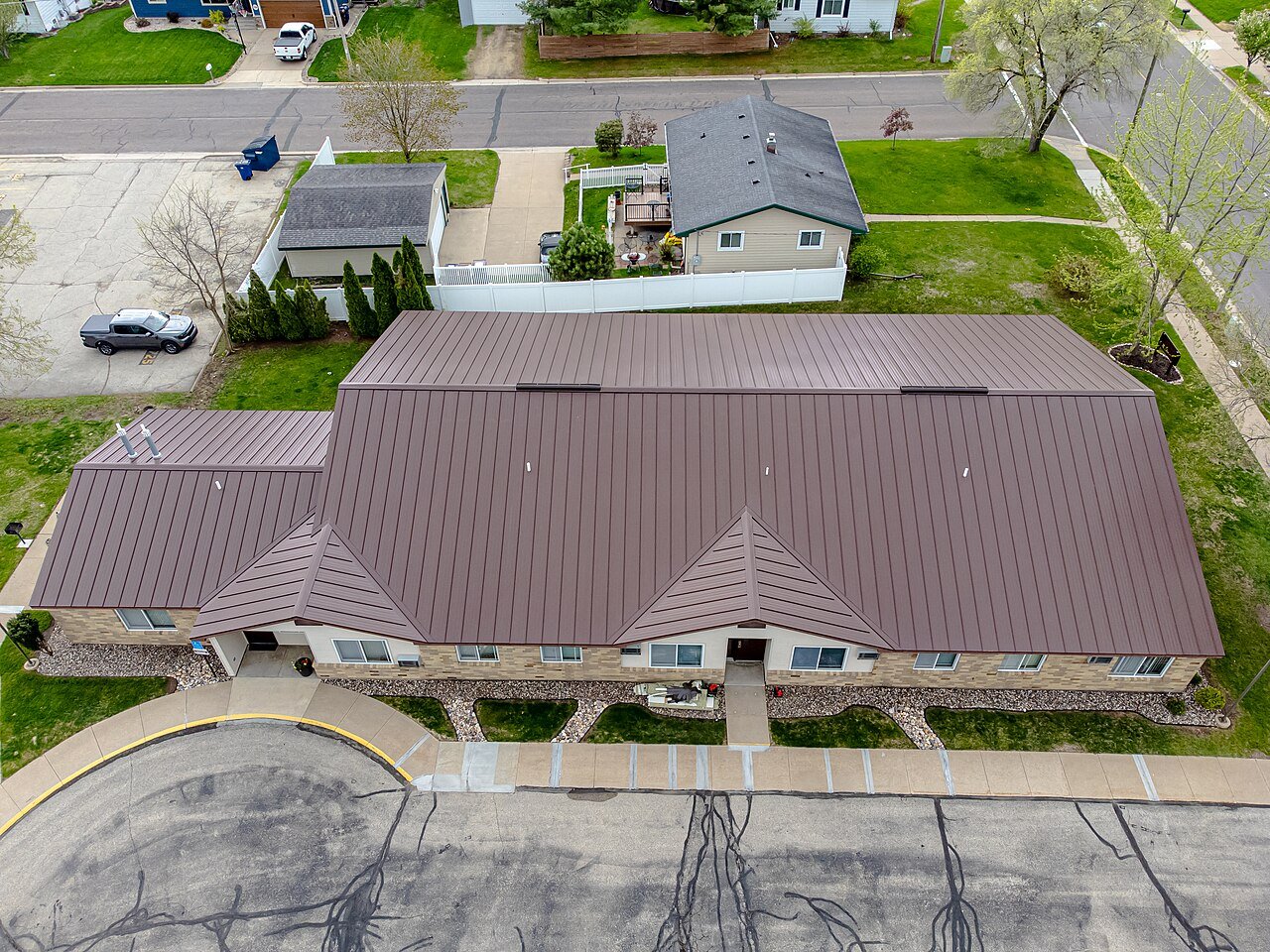
Snap-lock. One panel edge snaps over the other by hand or with light pressure. It installs fast and needs no seaming tool. It is the common residential choice for steep roofs.
Mechanically seamed. After the panels are set, a seaming machine folds the joint once for a single lock or twice for a double lock. The folded seam is the tightest and strongest connection. It is the type for low-slope roofs, where water moves slowly.
Nail strip. Also called nail flange, this panel has a slotted flange on one edge that is screwed directly to the deck, and the next panel hides it. There are no separate clips, so it costs the least. The slots allow only limited thermal movement, which keeps it to shorter panel runs.
Every system shares the same parts. The flat is the broad pan between seams, and the seam is the raised rib. Clips hold the panel to the deck, and floating clips let it slide as it expands and contracts. Trim closes the eave, rake, valleys, and wall joints, and a metal ridge cap seals the peak. Underneath, a high-temperature synthetic underlayment acts as the second water barrier.
Match the type to the pitch. Steep roofs take any of the three. Low-slope roofs need mechanically seamed panels. The panel manufacturer publishes the minimum slope for each profile, and that number governs. For a closely related question, see our guide to roof repair cost.
Standing Seam Metal Roof Cost per Square Foot
The price of a standing seam roof follows the roof area, not the house size, so measure the right number before you compare quotes. Contractors quote per square foot or per square, and one square equals 100 square feet. Divide a per-square price by 100 before you compare it with a per-square-foot price. Keep material-only prices apart from installed prices, since labor, trim, underlayment, and tear-off add to the panels. Installed standing seam typically runs about $10 to $16 per sq ft for steel, about $11 to $18 for aluminum, and $25 to $35 or more for copper or zinc, so a steel roof comes to roughly $1,000 to $1,600 per square.
For a 2,000 sq ft house, start with the footprint. A single-story ranch covers 2,000 sq ft of ground. A two-story house of the same size covers 1,000. Add the eave overhangs, then multiply by the pitch factor. A 4/12 roof multiplies by 1.054, a 6/12 roof by 1.118, an 8/12 roof by 1.202, and a 12/12 roof by 1.414. The ranch at 6/12 pitch has 2,236 sq ft of roof, or 22.4 squares, before overhangs and waste. At a typical $10 to $16 per sq ft for installed steel, that roof comes to roughly $22,000 to $36,000 before waste and tear-off. Multiply your own roof area by the installed price per sq ft in each written quote.
Four factors move the price most. Metal comes first, with steel the least expensive, aluminum next, and zinc and copper at the top. Gauge comes second, since thicker panels use more metal. Roof shape is third, because hips, valleys, dormers, and skylights add cutting and trim. Labor is fourth.
Standing seam costs more than shingles or screw-down metal because it uses more metal and more labor per square. The raised seams consume panel width, the hidden clips add parts, and the trim is custom bent. Crews also need roll formers and seamers.
| Roof type | Fasteners | Upfront cost | Upkeep | Best fit |
|---|---|---|---|---|
| Standing seam metal | Hidden clips under the seam | Highest of the three | Yearly look, no screws to reseal | Long ownership, low slopes with mechanical seams, hot climates with a reflective finish |
| Screw-down metal | Exposed screws with rubber washers | Middle | Washers age, screws need checking and replacing | Barns, sheds, budget metal on steep roofs |
| Asphalt shingles | Nails covered by the next course | Lowest | Single shingles repair easily, full replacement comes sooner | Tight budgets, short ownership, complex roofs |
Solid Roof Craft Tip. Ask every bidder to write five things on the quote. These are the roof area in squares, the panel gauge, the seam type, the clip type, and the underlayment. A missing line shows where a low bid saves money.
Benefits: Energy, Looks, Home Value, Insurance
A standing seam roof pays back in energy, appearance, resale, and insurance, and each benefit depends on choices you make at the quote stage.
Energy savings come from a cool roof finish, not from metal alone. The EPA reports that a cool roof with high solar reflectance and thermal emittance can cut peak cooling demand by 11 to 27 percent in air-conditioned homes. In homes without air conditioning, it can lower maximum indoor temperatures by 2.2 to 5.9°F. The gain is largest in hot, sunny climates. In a cold climate, a reflective finish saves little. EPA also notes that metal cool roofing products install easily on steep-sloped roofs.
The look is clean and modern, with straight shadow lines and no visible screws. Buyers notice a roof that will not need replacing soon, and that helps at resale.
Insurance discounts depend on the insurer and the state. Ask your agent before you sign, and get the product’s impact rating in writing.
Drawbacks and Common Problems
The main drawbacks are the upfront cost, a few cosmetic and acoustic quirks, and a heavy dependence on the installer.
Oil canning is visible waviness in the flat pans, most noticeable in low-angle sun. It is cosmetic and does not cause leaks, and most paint and panel warranties exclude it. Striations or stiffening ribs in the pan, a flat deck, and correct clip installation reduce it.
Hail can dent the panels, and softer metals such as aluminum and copper dent more easily than steel. Rain noise depends on what lies under the panels, and a solid deck with underlayment dampens it. Thermal movement is the bigger technical issue. Long panels grow and shrink with temperature every day. Fixed fastening where floating clips belong leads to buckled pans and loosened trim.
Repairs are harder too. A damaged panel runs ridge to eave, so replacing it means unseaming its neighbors.
Lifespan and Warranty
Lifespan depends on the metal, the coating, and the exposure, so no single number fits every standing seam roof. A painted steel or aluminum standing seam roof typically lasts about 40 to 70 years, and copper or zinc can pass 100 years with care.
Painted steel lasts as long as its metallic coating and paint hold, which makes the finish system the key spec. Aluminum resists salt corrosion and suits coastal homes. Copper and zinc form a protective patina and outlast both painted metals, at a much higher price.
Three warranties cover different things. The finish warranty covers paint chalking and fading beyond set limits. The material warranty covers the metal against perforation from rust. The weathertightness warranty covers leaks, and it usually requires an approved installer and an inspection. NRCA advises reading each warranty for the provisions that void it. Common exclusions are oil canning, damage from foot traffic, contact with incompatible metals or treated lumber, and salt spray near the ocean.
Maintenance and Aging
Standing seam needs little care, and a yearly check keeps small problems small.
Scan the roof from the ground with binoculars once a year and after major storms. Clear leaves and branches from valleys and gutters, since trapped debris holds moisture against the finish. Wash dirty areas with a soft brush, mild soap, and a garden hose, not a pressure washer.
A chalky film on painted panels is normal aging of the finish. Touch up scratches on steel with the manufacturer’s matching paint before rust starts at the cut. Have a roofer check clips, sealant at pipe boots and chimneys, and exposed trim screws every few years, and right away if a seam lifts.
Frequently Asked Questions
What is the biggest problem with metal roofs?
Installation errors cause more trouble than the metal itself. The common trouble spots are flashing at chimneys and walls, poorly sealed pipe penetrations, and fasteners driven at the wrong angle or torque. On standing seam, the classic mistake is long panels without floating clips, which then pull at the trim as temperatures change.
Is it cheaper to put a metal roof or shingles?
Asphalt shingles are cheaper to put on than a metal roof. Shingles win on day one, and metal wins on cost per year of service because it lasts longer and needs fewer repairs. A short stay favors shingles.
Does homeowners insurance go down with a metal roof?
No, not automatically. The discount depends on your insurer and your state. In hail-prone states, a Class 4 impact rating under UL 2218 carries the most weight, and the insurer wants proof in the form of the product rating sheet and the installer’s invoice.
How much should a 2000 sq ft metal roof cost?
A 2,000 sq ft single-story house with a 6/12 roof typically costs about $22,000 to $36,000 in installed steel standing seam, based on 2,236 sq ft of roof at $10 to $16 per sq ft. Price it on the roof area plus waste, not on 2,000. Panels are cut at hips and valleys, so the order runs above the measured area, and a complex roof wastes more than a simple gable. Ask whether the quote includes tear-off and disposal of the old roof, since that line moves the total more than panel color does.
Do standing seam roofs hold up in high wind?
Yes, when the system is rated for the wind load at your site and installed to that rating. IBHS states that wind performance depends on the loads a building faces and on how those loads travel through the roof system, so the clips and their fasteners carry the job. Standard wind tests rely on simplifications that may not match real storms, which led IBHS to test a full standing seam roof in its large test chamber.
Who should install a standing seam metal roof?
A licensed contractor who installs standing seam every season and holds certification from the panel manufacturer should do the job. Certification is the key to the weathertightness warranty. NRCA advises a healthy skepticism about the lowest bid, and on standing seam a cheap bid can hide fixed clips or a thin underlayment.
Sources
- U.S. EPA, Using Cool Roofs to Reduce Heat Islands
- IBHS, Standing Seam Metal Roofs
- NRCA, Roofing Materials
- NRCA, Selecting a Contractor