Water Stain on Ceiling: Causes, Repair and Painting
A water stain on ceiling drywall is a record of water that reached the back of the board and dried there. The stain itself is mostly cosmetic. The water behind it is not. Before you reach for paint, confirm the leak has stopped and trace where the water came from.
A water stain on a ceiling usually means water soaked through from above. Confirm the spot is dry and not growing, then stop the source, whether roof, pipe, AC drain or condensation. A dry, solid stain needs stain-blocking primer and ceiling paint. Soft, sagging or spreading drywall needs a roofer, plumber or drywall pro.
Is the Water Stain on Ceiling Old or Still Leaking?
Press the stain with a fingertip. Firm, dry drywall with a crisp edge points to an old leak that has already stopped. A soft, cool or damp spot means water is still arriving, and the board is losing strength.
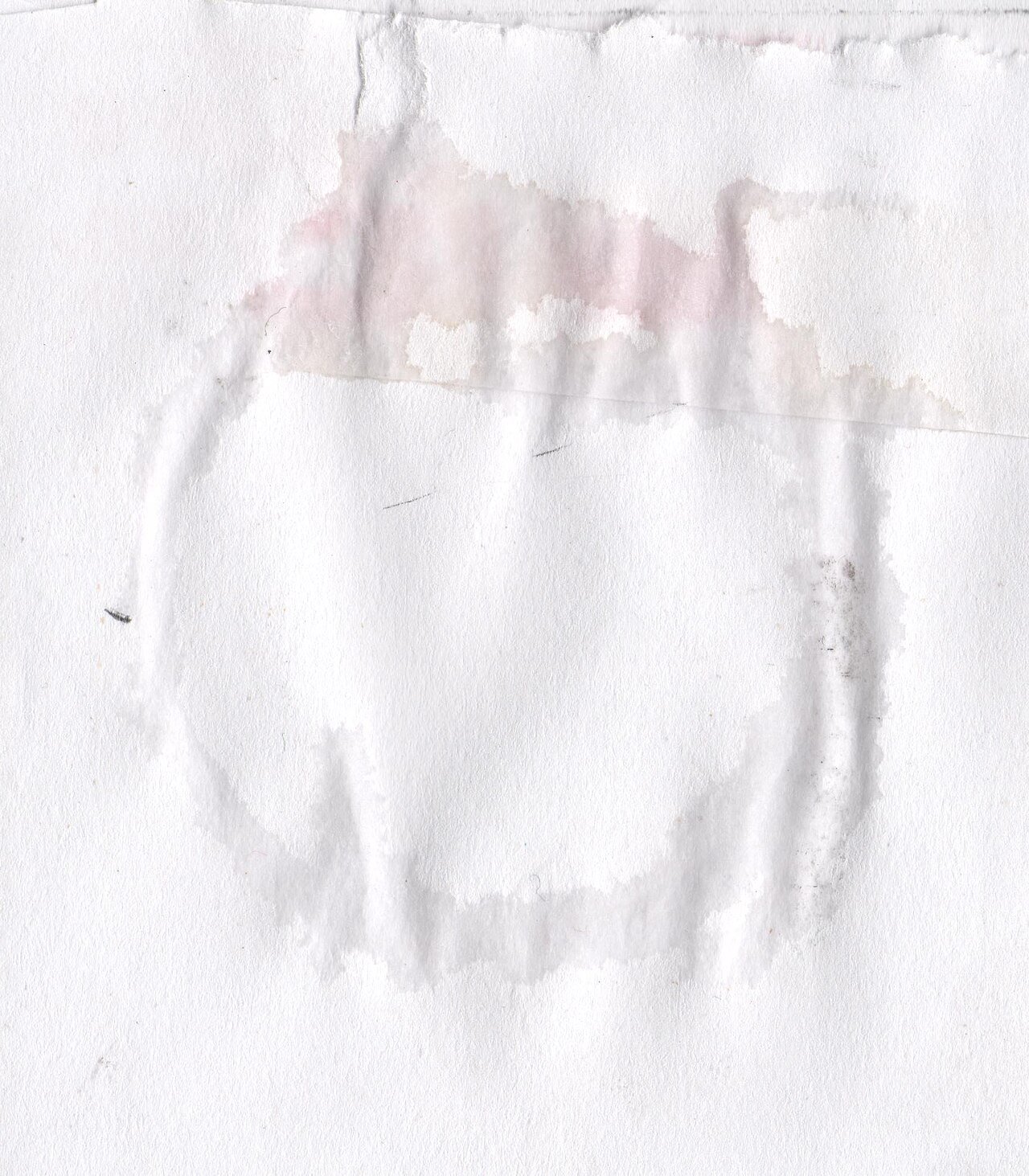
Next, read the edges. Several nested rings show the leak has wet and dried more than once. A stain that grows between checks is active. A musty smell points to moisture trapped above the board.
Then run a simple test. Trace the outline lightly in pencil and write the date beside it. Check again after the next hard rain and after heavy use of the bathroom or AC above. A line that moves, fresh dampness or a drip tells you the source is live and which event triggers it. A stain that stays put through both tests is probably old water.
Find the Cause: Roof, Pipe, AC or Condensation
Location and timing narrow the source faster than any tool. Match the stain to the pattern that fits before anyone climbs onto the roof.
| Source | Where the stain shows | When it gets worse | First check |
|---|---|---|---|
| Roof leak | Top floor, near chimneys, vents, skylights or exterior walls | During or after rain and snowmelt | Attic decking and rafters above the spot |
| Supply or drain pipe | Below a bathroom, kitchen or laundry | Grows on dry days or when fixtures run | Pipes and fittings above the stain |
| Toilet or tub seal | Directly below the toilet or tub | After flushing or showering | Wax ring, caulk and tub drain |
| AC condensate | Near the air handler or under its drain line | Hot, humid days with the AC running | Drain pan and condensate line |
| Condensation | Cold exterior ceilings, attic hatch, thin insulation | Cold weather, no rain needed | Attic insulation and air leaks |
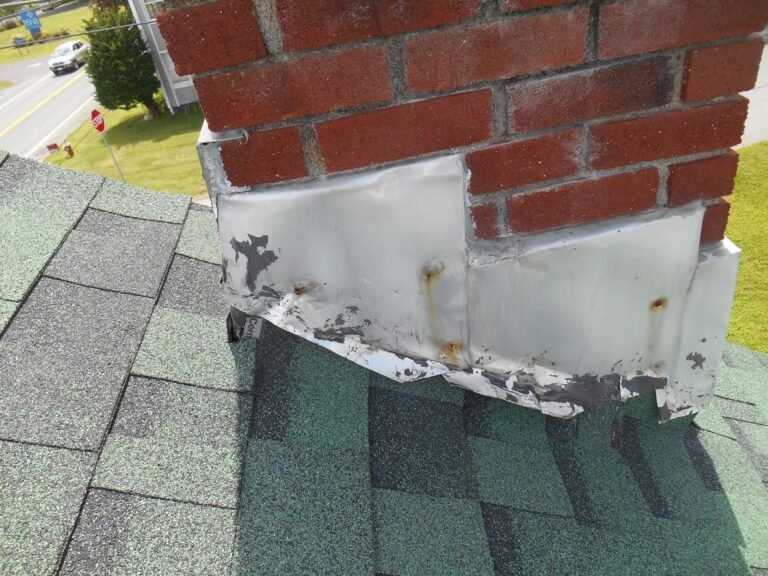
A roof leak usually shows up with rain or melting snow. Water enters at a gap, runs along the decking or a rafter, and drops onto the ceiling some distance from the entry point. Damaged flashing around chimneys and vents and missing shingles are the first entry points to check.
Plumbing leaks ignore the weather. A supply line under pressure can leak all the time, so the stain keeps growing on dry days. A drain or a toilet seal usually leaks only when water flows, so the stain darkens after showers or flushes.
An air conditioner produces condensate whenever it cools, and more of it on humid days. If the condensate drain clogs, the pan overflows, and a stain appears near the air handler, often in an attic or an upstairs closet.
Condensation shows up in cold weather. Warm, moist indoor air reaches a cold spot in the attic, turns to water and soaks the drywall. These stains look like faint, scattered blotches rather than one ring, and they appear on dry days. For a closely related question, see our guide to how to fix leak in roof.
Stop the Source Before You Repair
Paint never fixes a leak. Repair the roof, pipe, drain line or insulation first, or the stain returns with the next rain or shower. The EPA guide to mold and moisture notes that no mold grows without water or moisture, and that mold cleaned up without fixing the water problem will most likely come back.
Dry the area fast. EPA advises drying water-damaged areas and items within 24 to 48 hours to prevent mold growth. Run fans and a dehumidifier, and open the attic or access panel above. Wait until the drywall feels hard and dry before primer touches it. If you know or suspect the HVAC system has mold, do not run it. EPA warns it could spread mold through the building.
How to Remove and Repair a Ceiling Water Stain
A dry, firm stain needs cleaning, priming and paint. Damaged drywall needs cutting out and patching. Gather the materials before you start.
- Drop cloth, safety glasses and a dust mask
- Mild detergent, water and a sponge
- Stain-blocking primer, oil-based or shellac-based
- Flat ceiling paint matched to the existing color
- Joint compound, a putty knife and fine-grit sandpaper
- Cover the floor and furniture, and turn off power to any light fixture near the stain.
- Wipe the stain with detergent and water to lift dirt and loose residue. Let it dry fully.
- In an older home, test popcorn texture or plaster for asbestos first (see below). Then scrape off peeling paint or bubbled texture, and press around the stain to find soft spots.
- Fill dents and scraped edges with joint compound, let it dry, and sand it flush.
- Spot-prime the stain and the patch, then paint the whole ceiling plane so the sheen matches.
Replace drywall that is soft, crumbling or sagging. Cut a square around the damage back to sound board, check the framing above for wet wood or mold, and screw in a new piece with backing strips. Tape, mud and sand the seams before priming. EPA notes that porous materials such as ceiling tiles may have to be thrown away if they become moldy, so moldy tiles get replaced, not painted.
In an older home, have popcorn texture or plaster tested for asbestos before you scrape or sand it. Leave it alone until the result is back.
Can You Paint Over a Water Stain? Primer Steps
Yes, once the source is fixed and the drywall is dry, but only over a stain-blocking primer. Ordinary latex paint can let the brown color bleed straight through. A water-based coat rewets the dissolved residue, and it migrates to the surface as the paint dries.
Choose an oil-based or shellac-based stain-blocking primer. Both seal water-soluble stains instead of dissolving them.
- Roll or brush one coat over the stain, extending a few inches past the outer ring.
- Let it dry as the label directs, then check it in good light. If any tint shows, add a second coat.
- Roll ceiling paint over the whole ceiling plane, not just the patch, so color and sheen blend.
- Add a second coat of paint if the primed area still reads lighter or flatter.
Solid Roof Craft Tip. Prime the brown edge of the stain, not only the center. The outer ring holds the most residue, and it is the first part to show through a fresh coat.
Do not paint over mold. EPA notes that paint applied over moldy surfaces is likely to peel, so clean and dry the area first.
Water Stain on Ceiling Repair Cost and When to Call a Pro
A DIY stain repair costs a can of stain-blocking primer, a can of ceiling paint and a few supplies. A painter charges mostly for labor, ladder work and blending the whole ceiling. Replacing a section of drywall adds drywall work and drying time, so the bill climbs with the size of the cutout. The leak repair is a separate cost from the ceiling repair.
Call the right trade for the source.
- A roofer, when the stain grows after rain or appears below a chimney, vent or skylight.
- A plumber, when the stain grows on dry days or appears below a bathroom or kitchen.
- An HVAC technician, when the stain appears near the air handler or its drain line.
- A water damage or mold pro, when mold covers more than about 10 square feet or the water was sewage.
Warning signs of bigger damage include sagging drywall, cracks spreading from the stain, peeling paint over a wide area, a musty smell and dark or soft wood in the attic. Before you hire a roofer, work through the NRCA guidance on selecting a contractor.
What to Do About a Sagging or Wet Ceiling
A sagging ceiling holds pooled water and can fall without warning. Keep people and pets out from under it. Turn off power at the breaker to any light or fan in the wet area.
Set a tarp and a bucket under the lowest point of the bulge. Push a screwdriver through that point to make a small hole, and let the water drain into the bucket. A controlled drain takes weight off the board. Stand to the side, not directly under the bulge. If the bulge is wider than you can reach safely or the drywall is cracking, leave it to a pro. Shut off the water supply if a pipe is the cause.
Related reading: Chimney Flashing Repair.
Related reading: Roof Flashing Repair.
Related reading: Roof Leak Repair Cost.
Frequently Asked Questions
Why does a brown ring come back after painting?
Water-soluble stains, including tannins from wood, dissolve in water-based paint and bleed through to the surface. A stain-blocking primer is what locks them in. A ring that returns on fresh paint months later points to a leak that is still active.
How much does it cost to fix water stains on a ceiling?
A DIY stain repair costs only primer, paint and supplies. A painter adds labor, and a cutout adds drywall work and drying time, so the bill grows with the size of the damage. The leak repair is billed separately.
What if the ceiling is sagging?
Drain it under control. Clear the room below, cut power to nearby fixtures and make a small hole at the lowest point over a bucket. A large or cracking bulge is a job for a pro.
How fast can mold grow after a leak?
EPA advises drying water-damaged areas within 24 to 48 hours to prevent mold growth, so that is the window to work within. Inhaling or touching mold or its spores may cause allergic reactions in sensitive people.
Is a water stain on the ceiling always a roof leak?
No. Supply pipes, drain lines, toilet and tub seals, AC condensate lines and attic condensation all stain ceilings. Roof stains follow rain, plumbing stains follow water use or grow steadily, and condensation stains follow cold weather.
Do Dawn, vinegar or WD-40 remove a water stain on a ceiling?
Not on their own. Those tips target hard water scale on faucets, glass and tile. A ceiling stain is residue soaked into drywall, and it needs stain-blocking primer and paint once the leak is fixed.
Sources
- US EPA, A Brief Guide to Mold, Moisture and Your Home
- US EPA, Mold Cleanup in Your Home
- NRCA, Selecting a Contractor